Your first day: a beginner’s guide
Lumihatch starts with two eggs. Within a few minutes they have hatched, and their own first egg can hatch in that same first session. This guide walks through the first day and says what is worth knowing before you spend your first Glim.
Choose your first pair
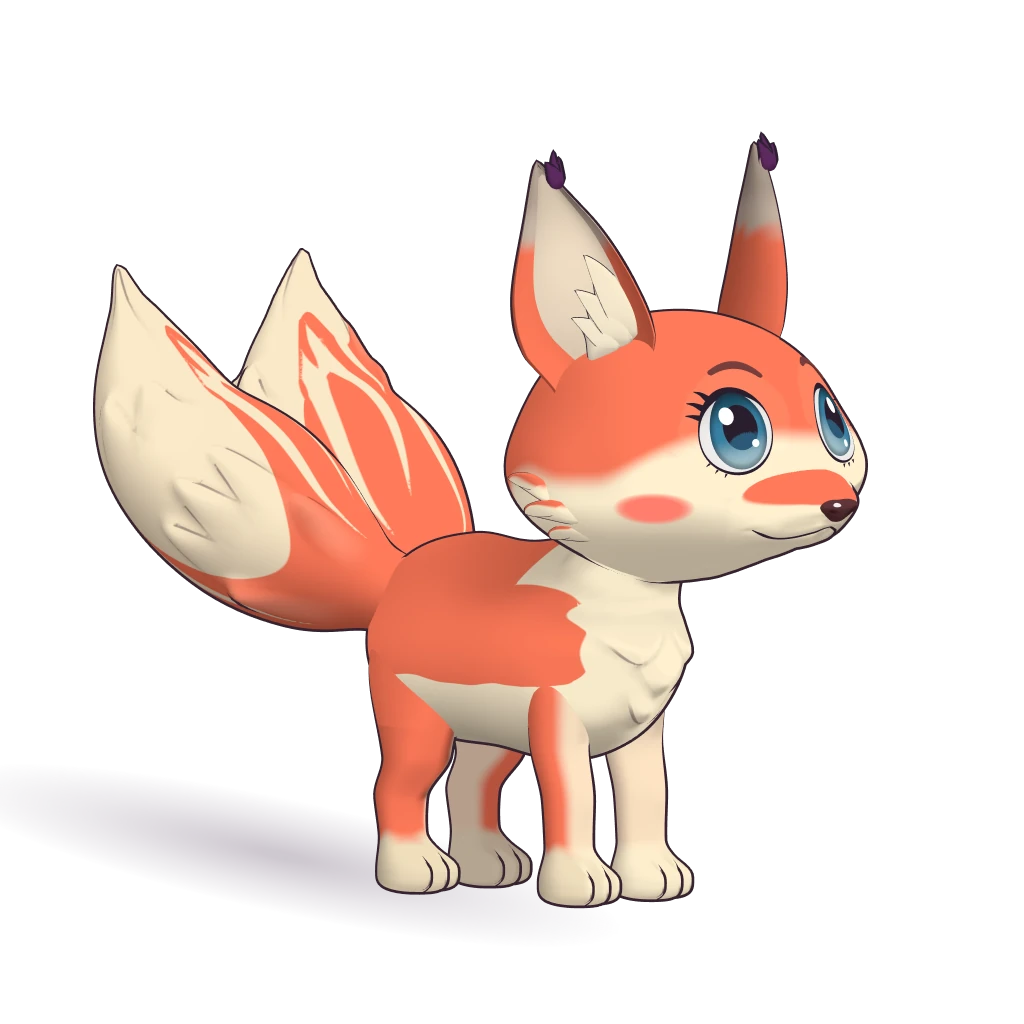
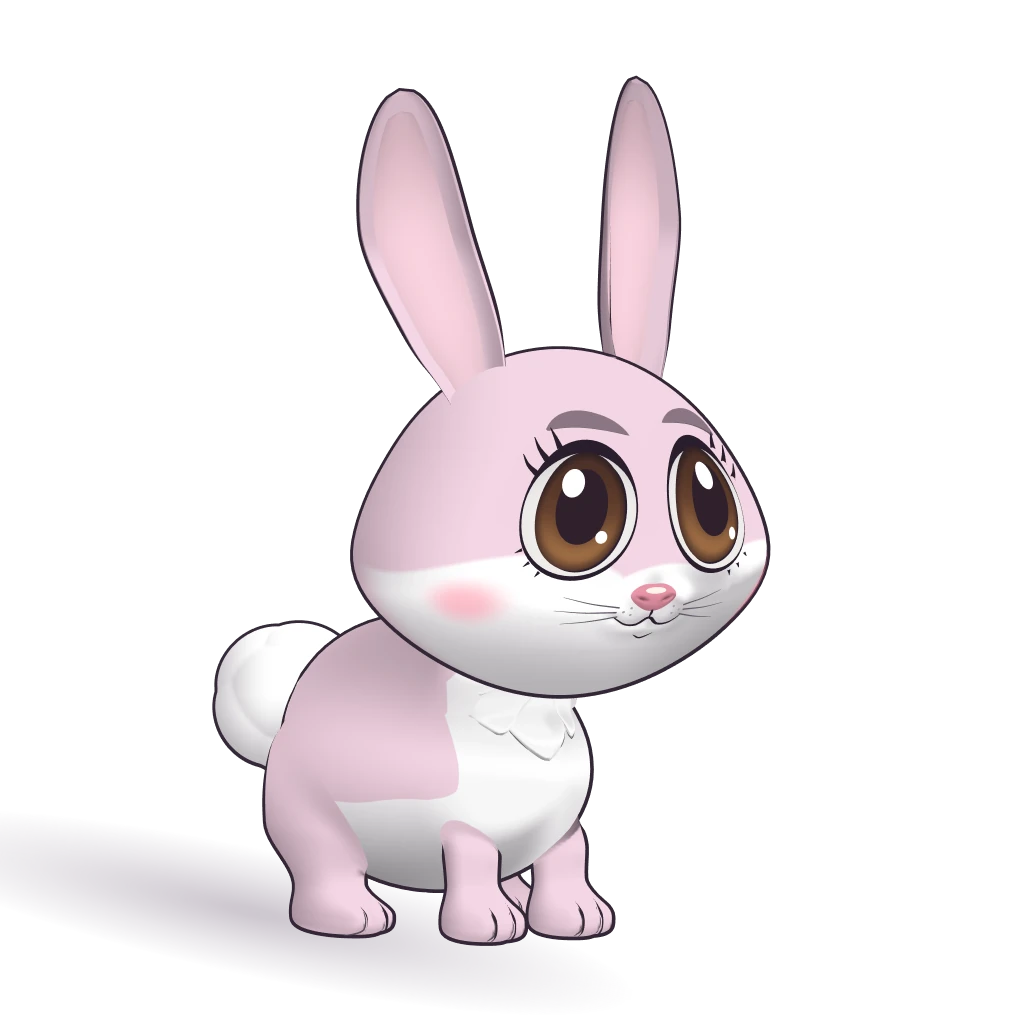
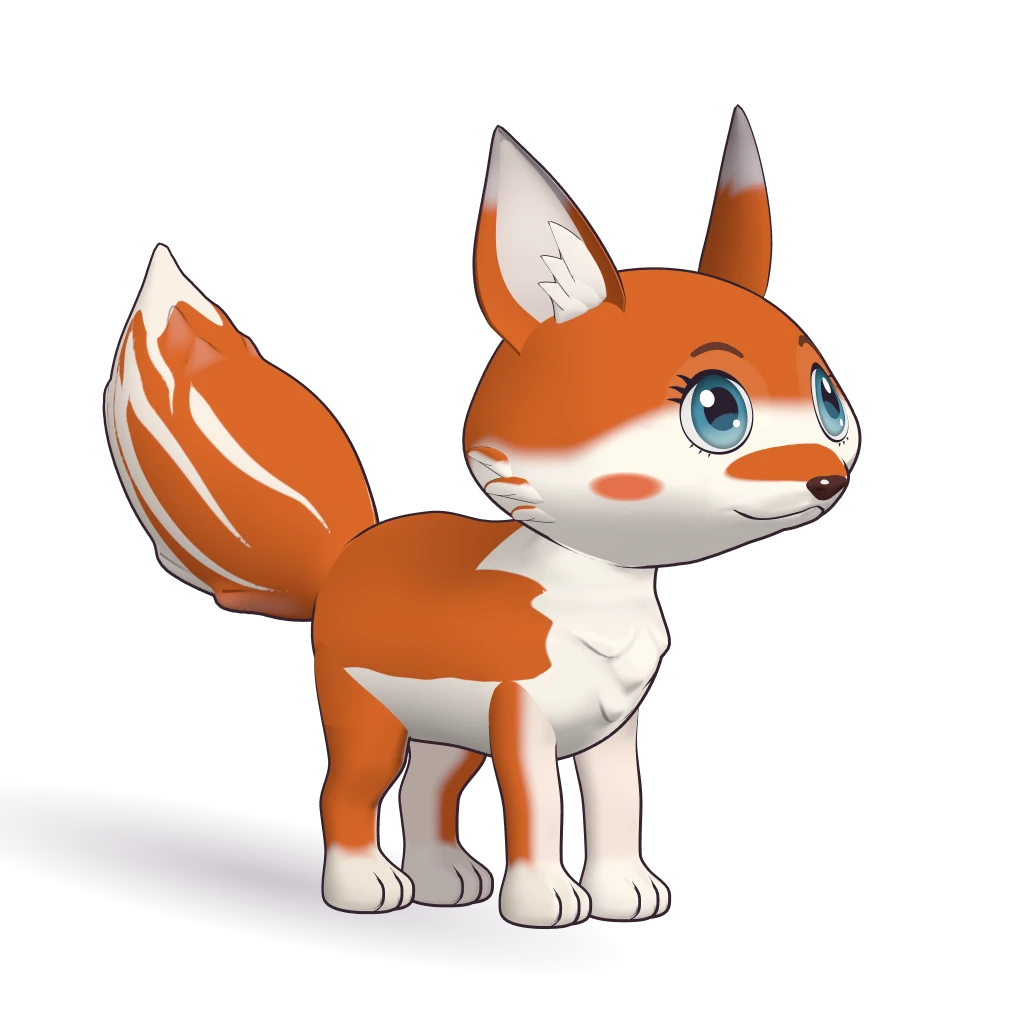
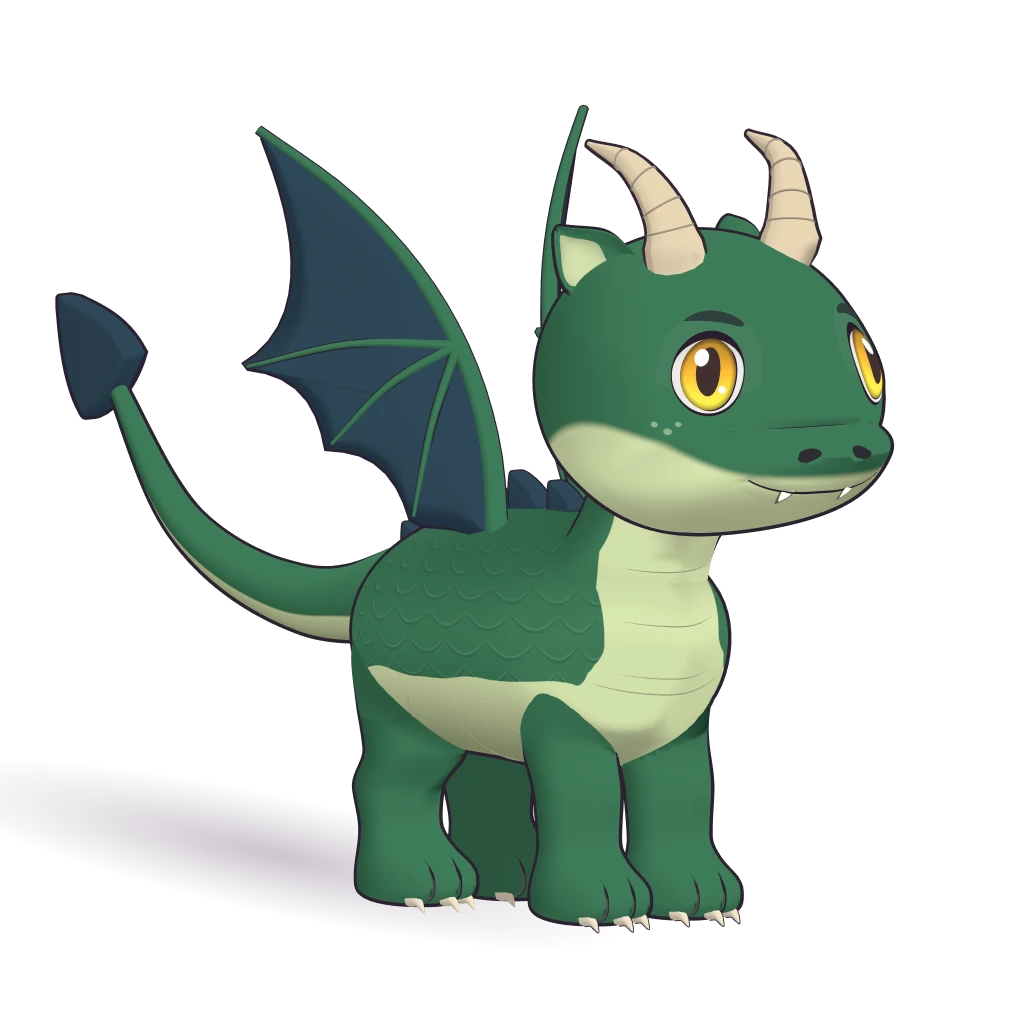
A new keeper chooses one of three species: Fennic, Mochi or Wyrmlet. You get two eggs of it, a mother and a father, almost ready to hatch.
The choice sets your pace more than anything else. Mochi eggs need 5 warms, one every 4 hours, and are the quickest. Fennic eggs need 6 warms, one every 6 hours, and the Fennic has the most traits to discover. Wyrmlet eggs need 8 warms, one every 8 hours: slow to hatch, but a grown Wyrmlet needs feeding only every 40 days.
None of them is a wrong choice. Every species breeds by the same rules, so what you learn with one holds for the others.
| Species | Warms to hatch | Between warms | Mother’s rest | Feed at least every |
|---|---|---|---|---|
| Fennic | 6 | 6 h | 8 h | 30 days |
| Mochi | 5 | 4 h | 6 h | 21 days |
| Wyrmlet | 8 | 8 h | 12 h | 40 days |
Hatch, name, pair
Give each of your two eggs one warm and they are ready. Tap Hatch, then give each hatchling a name: a named creature is grown and ready for breeding.
Now pair them. The pairing preview shows what the egg can become before you commit: the odds of every trait, the span each colour can land in, and the shape. Your first bred egg gets a head start, so it can hatch in your first session. After that, eggs take their species’ own time.
After a clutch the mother rests before she can lay again: 6 hours for a Mochi, 8 for a Fennic and 12 for a Wyrmlet. Most clutches are one egg; about 6 in a hundred are twins.
Glim, and what to spend it on
Glim is the game’s currency. You start with 300 Glim and get a daily gift of 25 more. The rest you earn by playing: explorers come home with Glim, the keeper’s journal pays out Glim for milestones, and warming other keepers’ eggs in the Village turns up a little now and then.
The best first purchases are in the Lab. Tufted Ears for a Fennic, for example, cost 5 Glim to study, which takes 1 hour, and 4 Glim to infuse into an egg. From then on the trait is yours to breed.
Feeding is free. Everything needed for breeding can be reached by playing; the optional Supporter membership and the few extras for sale are for keepers who want to support the game.
Keep your creatures fed and your eggs warm
Two things need you to come back. Eggs want warmth: an egg takes one warm, then has to wait before the next. Grown creatures want food: a Mochi at least every 21 days, a Fennic every 30. Feeding takes a second, but a creature left hungry for too long is lost, so look in now and then.
You don’t have to do the warming alone. Friends and other keepers in the Village can warm your eggs, and every warm they give counts toward hatching.
What to try next
Once your first clutch has hatched, the game opens in several directions.
- Study a trait in the Lab and infuse it into an egg.
- Call a wild egg from the Wilds, in colours you choose. Related creatures can’t be paired, so every line needs outsiders.
- Send grown creatures on expeditions.
- Visit the Village board for the day’s Wanted posters and the free raffle.
When you want a goal, pick one: a creature with a trait in every place, a pure colour, a unicorn. The other guides here show how.
Questions and answers
Which species should I choose first?
Mochi if you want fast results, Fennic if you want the most traits to combine, Wyrmlet if you play now and then and like a slow, proud project. All three follow the same rules.
How long until my first egg hatches?
Your two starting eggs hatch after one warm each, and the first egg you breed gets a head start too. After that an egg takes its species’ own time: within a day for a Mochi, close to three days for a Wyrmlet warmed by you alone.
Can I lose my creatures?
Only by leaving them unfed for a long time. A grown creature needs feeding at least every 21 to 40 days depending on its species, feeding is free, and the Den shows who is hungry.
Do I need friends to play?
No, but they help. Friends can warm your eggs, which makes them hatch sooner, and keepers in the Village warm each other’s eggs every day.