Colour breeding: how colours and shape blend
Traits follow strict two-gene rules. Colours don’t: they blend. Every egg’s colours land somewhere between its parents’, which means that any shade can be reached by any keeper, a small step at a time.
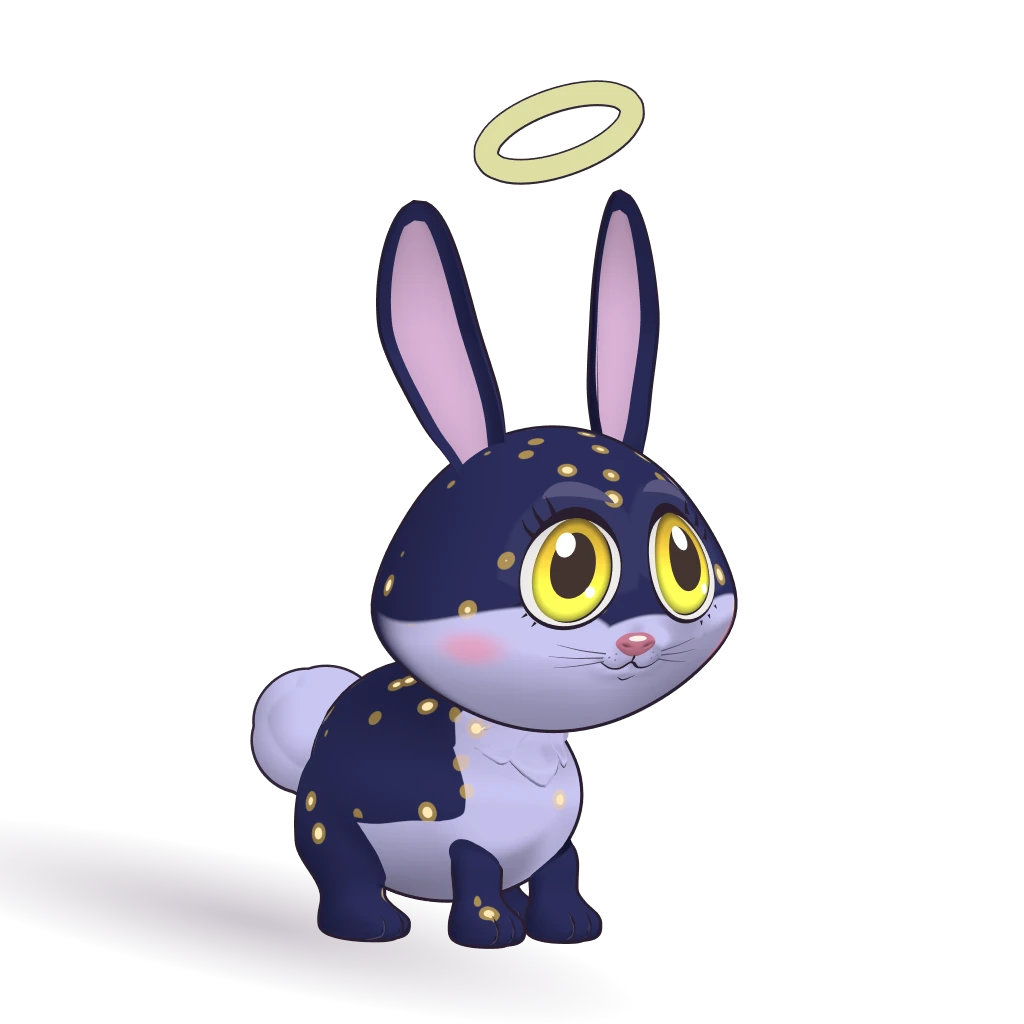
Five colours, three channels each
A creature has five colours: eyes, coat, underside, accent and detail. Each is inherited on its own, coat from coat and eyes from eyes.
A colour is made of red, green and blue, each a number from 0 to 255. For each of those three channels the egg gets a value somewhere between its mother’s and its father’s, and every value in between is equally likely. Where the parents have the same value, the egg has it too.
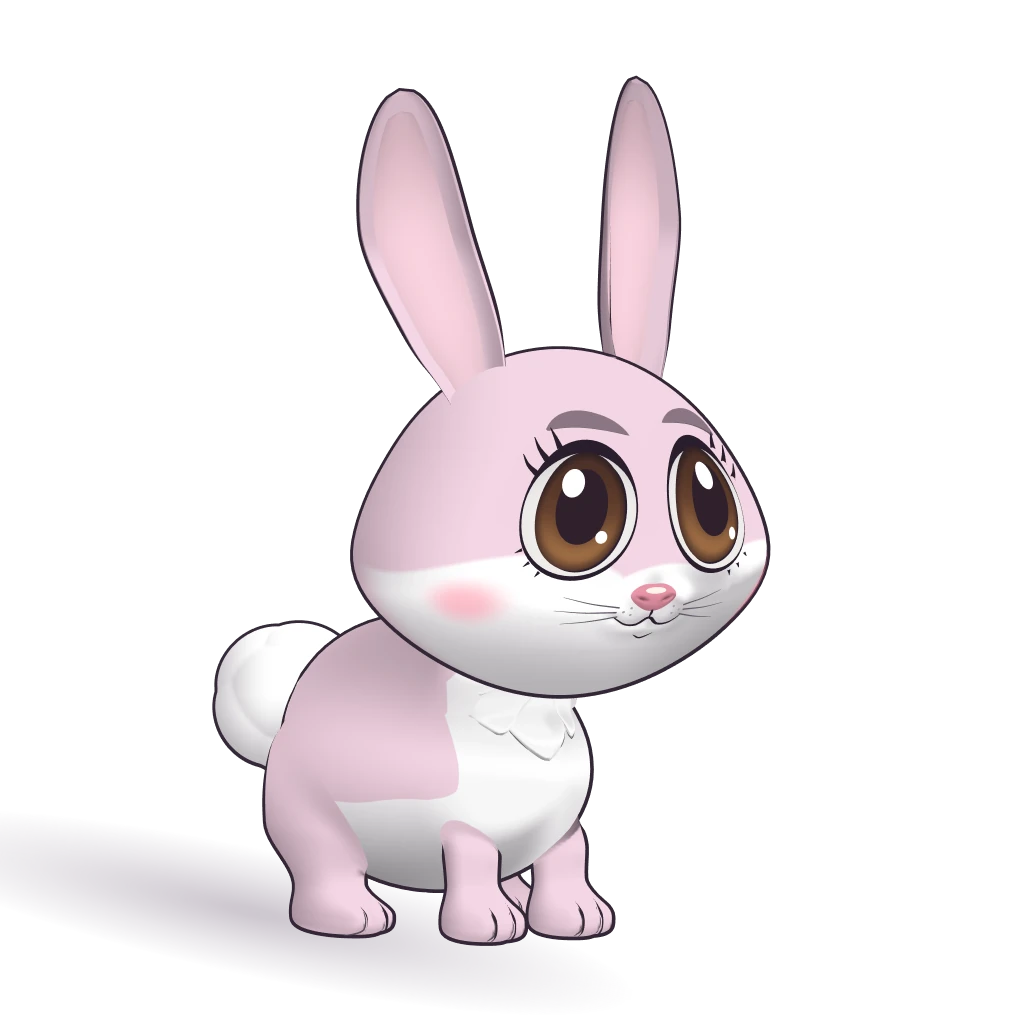
The coat of an egg from a pink mother and a night-blue father
- Red
- 43 to 244
- Green
- 45 to 214
- Blue
- 91 to 228
Narrowing toward a shade
Because an egg lands between its parents, two parents that are far apart give a wide spread of young, and two that are close give young that look alike. Colour breeding is the craft of narrowing: keep the young that came out nearest your goal, pair them with a partner on the other side of it, and repeat.
The pairing preview shows the span each of the five colours can land in, so you can see before pairing whether your goal is inside it. If it isn’t, no number of eggs will get you there: you need a parent that lies beyond it.
Sparks: colours from outside
Now and then a bred egg carries a spark: one of its five colours lands a little outside both parents, a shade neither of them had. About 4 eggs in a hundred do, and a keeper who has studied far into the Lab’s Wonder tree sees them a little more often.
The young passes its new colour on like any other. Sparks are how a line can drift somewhere its founders could not reach.
Wild eggs: new colours on request
The quicker way to a colour your line lacks is the Wilds. You pick a species and the five colours you hope for, and the Wilds answer roughly: a wild egg lands near what you asked for, not on it. The more traits you have studied with a species, the closer its wild eggs land.
Wild eggs are also unrelated to everything you own, which makes them the natural partner when a line has become one big family.
Shape is inherited too
The same blending shapes the body. Ear size, snout, build, tail length, eye size and leg length are each a value that lands between the parents’. Pair the two roundest Mochis of every generation and the line gathers at the round end of what its founders had. To go further you need a founder that is rounder still, from the Wilds or from the Market.
Questions and answers
Can I breed any colour?
Yes. Every colour is a mix of red, green and blue, and each can be moved step by step by choosing which young to pair. Wild eggs and sparks bring in what a line lacks.
Why did my egg get a colour neither parent has?
Usually because red, green and blue land between the parents separately: a pink and a night-blue parent can have green young. Now and then it is a spark, which puts one colour just outside both parents.
Do colours hide like traits do?
No. A colour has no hidden gene behind it: the colour you see is the colour that is passed on.
What is a pure colour?
An exact colour code that earns a mark, such as Snow, pure white. Hitting one takes planning, and the guide to pure colours shows how.